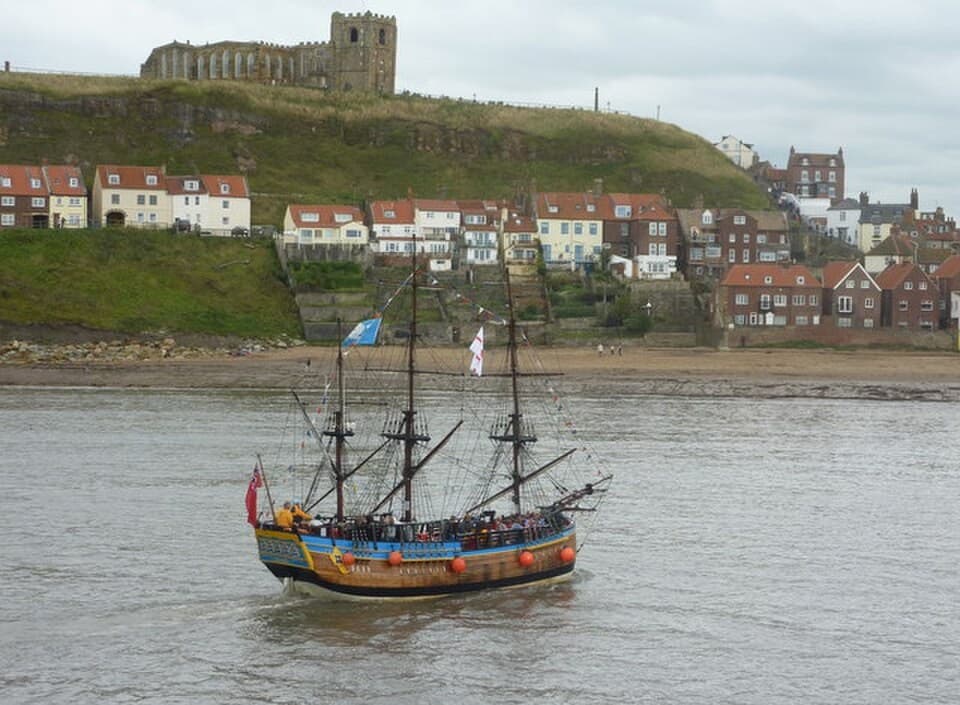
Fishing harbour
Whitby
An Esk estuary where the harbour remains the town’s organising space
North Yorkshire · United Kingdom
Read the dossier →Image: pam fray · CC BY-SA 2.0 · Cropped to fit; full view in dossier.
Explore Europe’s historic harbours, working fishing villages and beautiful bays through documented history, coastal landscapes and individually credited photography.
54 places · Page 3 of 3
Fishing harbour
An Esk estuary where the harbour remains the town’s organising space
North Yorkshire · United Kingdom
Read the dossier →Image: pam fray · CC BY-SA 2.0 · Cropped to fit; full view in dossier.
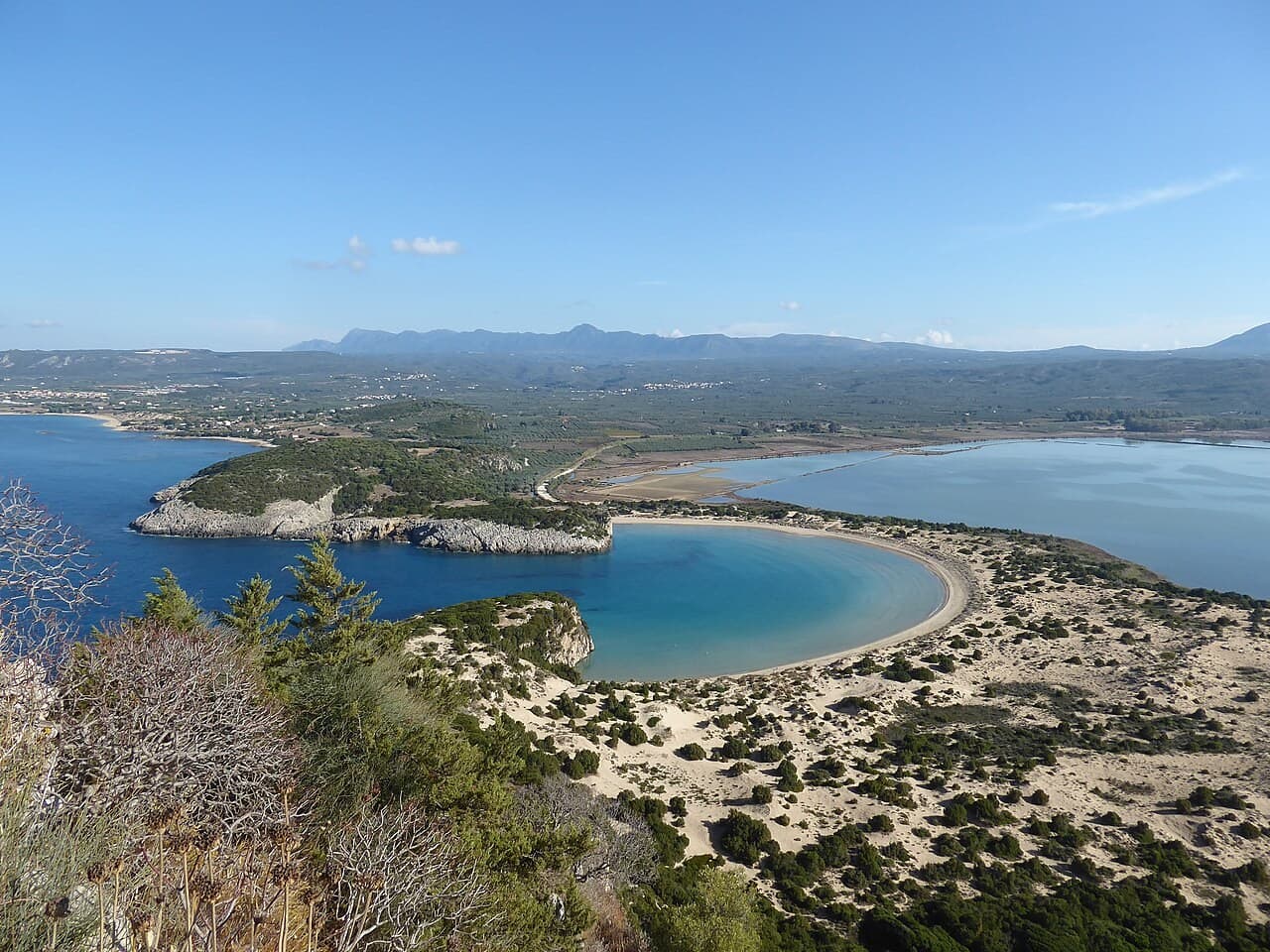
Bay & coastal landscape
A rounded Messinian bay whose neighbouring wetland changes how the coast is understood
Messinia, Peloponnese · Greece
Read the dossier →Image: Chris06 · CC0 · Cropped to fit; full view in dossier.
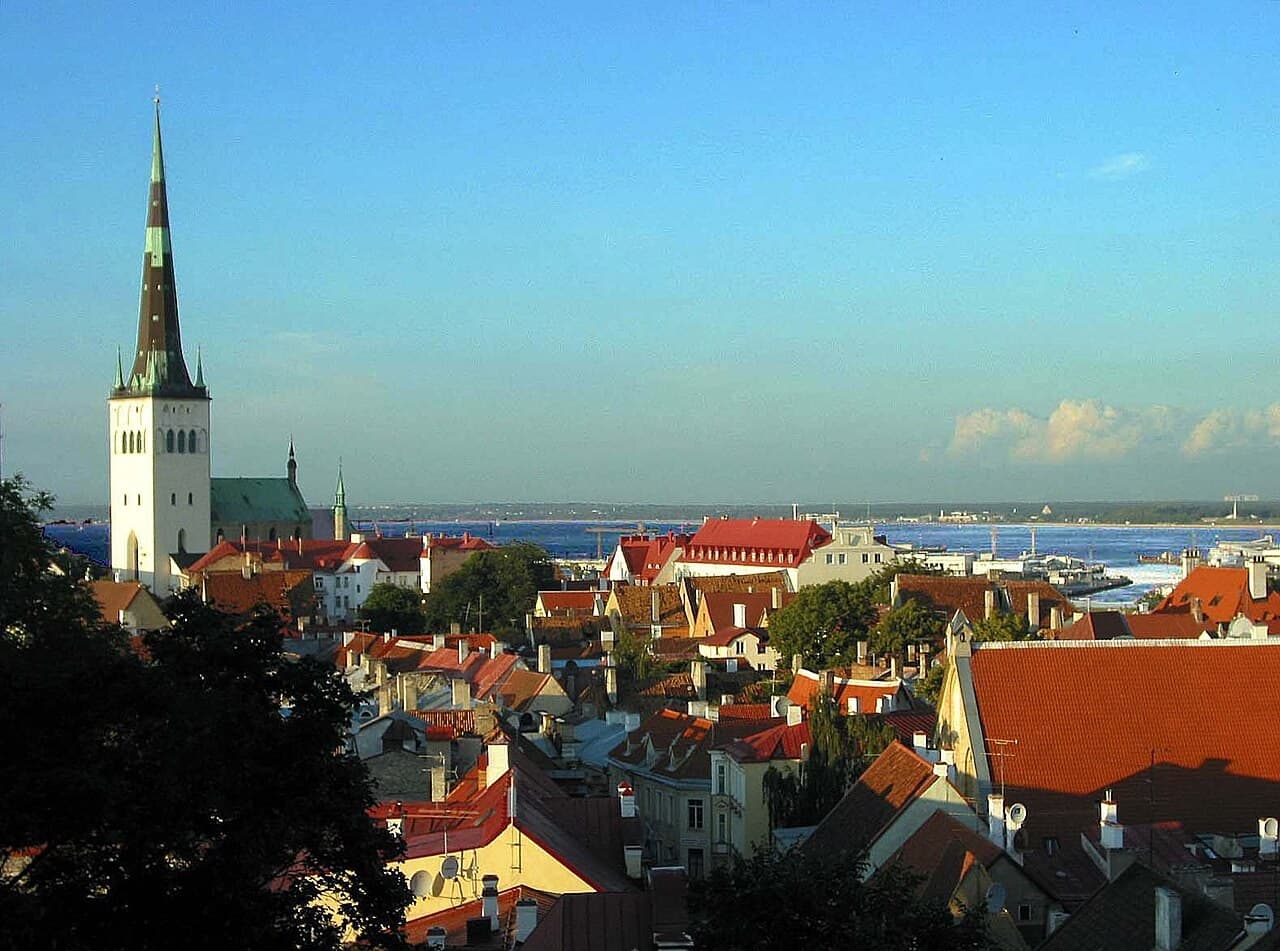
Historic harbour & citadel port
A Baltic trading town whose maritime geography reaches beyond its walls
Gulf of Finland · Estonia
Read the dossier →Image: Castagna · CC BY-SA 4.0 · Cropped to fit; full view in dossier.
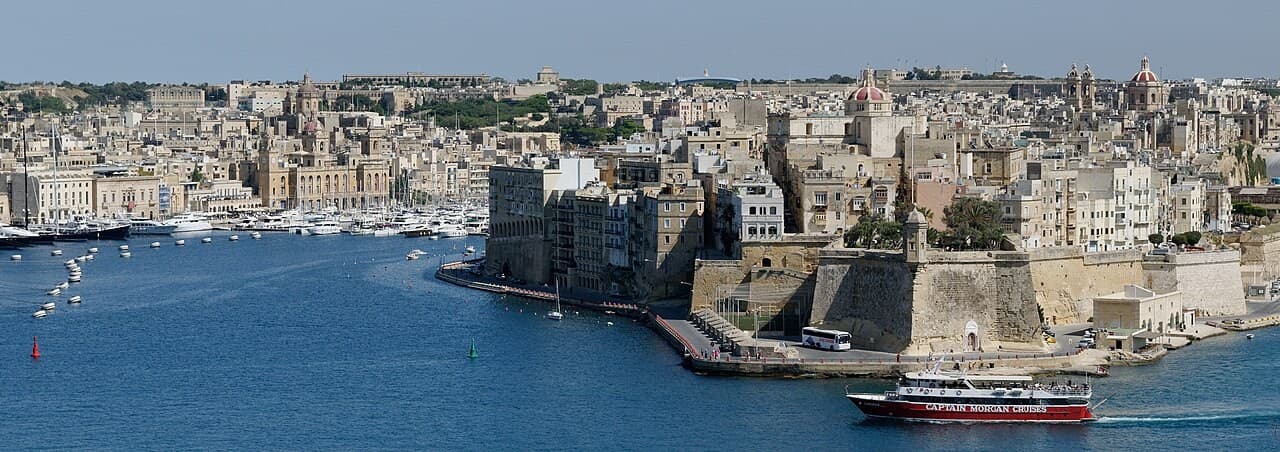
Historic harbour & citadel port
A planned fortified city above a deeply worked maritime landscape
Grand Harbour · Malta
Read the dossier →Image: Marie-Lan Nguyen · CC BY 2.5 · Cropped to fit; full view in dossier.

“Sixteenth-Century Scottish Wool Staple & Historic Haven of Zeeland”
### The Maritime Story Situated on the north-eastern shore of Walcheren where the former Veerse Gat opened onto the North Sea, Veere received its municipal charter in 1355 under the seigneurial House of Borssele. The town's international stature was cemented in 1444 when Wolfert VI van Borssele wed Mary Stuart, daughter of King James I of Scotland, and formalised in 1541 when Veere became the official staple port (Stapelplaats) for Scottish trade in the Low Countries. For more than two centuries, Scottish merchant vessels were bound by royal ordinance to discharge their cargoes of wool, sheepskins, hides, and salted salmon at Veere's quayside. Under the jurisdiction of the Lord Conservator of Scots Privileges, the Scottish community maintained its own court, weigh-house practices, civic exemptions, and Presbyterian church until the Batavian Republic dissolved the staple in 1799. Veere also served from the late 15th century as a seat of the Burgundian and Habsburg Admiralty. ### Architecture & Waterfront Despite the decline of its deep-sea trade after the Napoleonic era, Veere's waterfront preserves an intact ensemble of late-Gothic and Renaissance national monuments registered with the Rijksdienst voor het Cultureel Erfgoed (RCE). Guarding the northern jaw of the harbour mouth stands the Campveerse Toren (Rijksmonument 36920, Kaai 2), erected around 1500 as part of the town's coastal fortifications and documented for centuries as one of the oldest continuously operating waterfront inns in the Netherlands. Along the stone-paved Kaai stand the celebrated Schotse Huizen: Het Lammeken at Kaai 25 (Rijksmonument 36897, built c. 1539–1540) and De Struijs at Kaai 27 (Rijksmonument 36898, dated 1561), two richly detailed Brabantine Gothic merchant houses built for patrician wool and maritime traders. Set slightly inland on the Markt rises the Stadhuis van Veere (Rijksmonument 36934, Markt 5), begun in 1474 by architect Evert Spoorwater in pale Gobertanger limestone with niche statues of the Lords and Ladies of Veere and crowned between 1594 and 1599 with a slender Renaissance belfry and carillon. Towering over the town silhouette is the Grote Kerk or Onze-Lieve-Vrouwekerk (Rijksmonument 36967, Oudestraat 26), a monumental late-Gothic basilica begun c. 1342 and expanded after 1479.
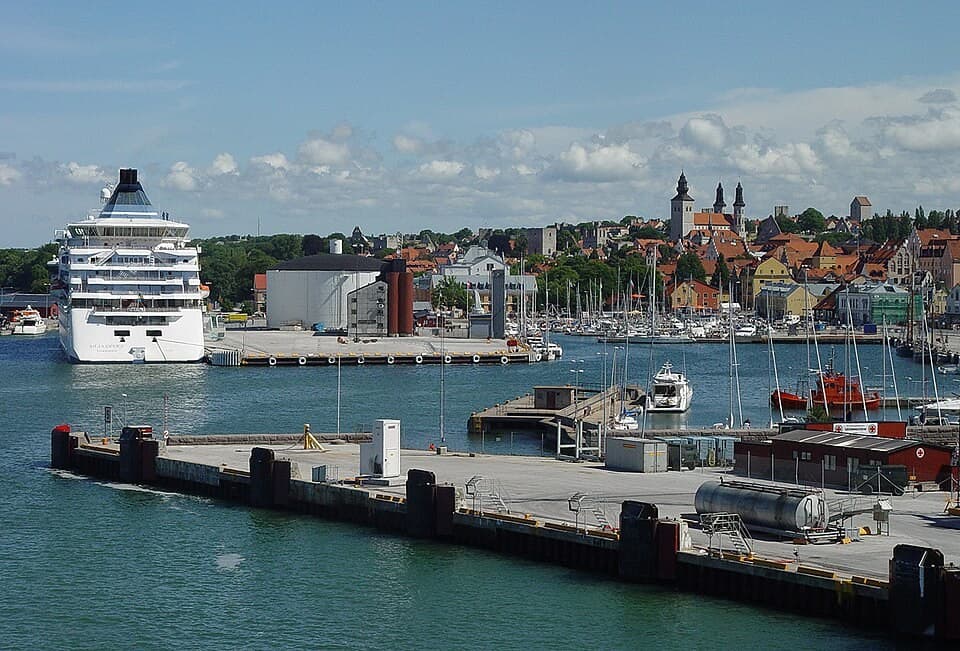
Historic harbour & citadel port
A Baltic trading town whose walls connect the harbour with a larger commercial world
Gotland · Sweden
Read the dossier →Image: Jürgen Howaldt · CC BY-SA 2.0 de · Cropped to fit; full view in dossier.


