Historic harbour & citadel port · Gulf of Finland
Tallinn & the Maritime Old Town
A Baltic trading town whose maritime geography reaches beyond its walls
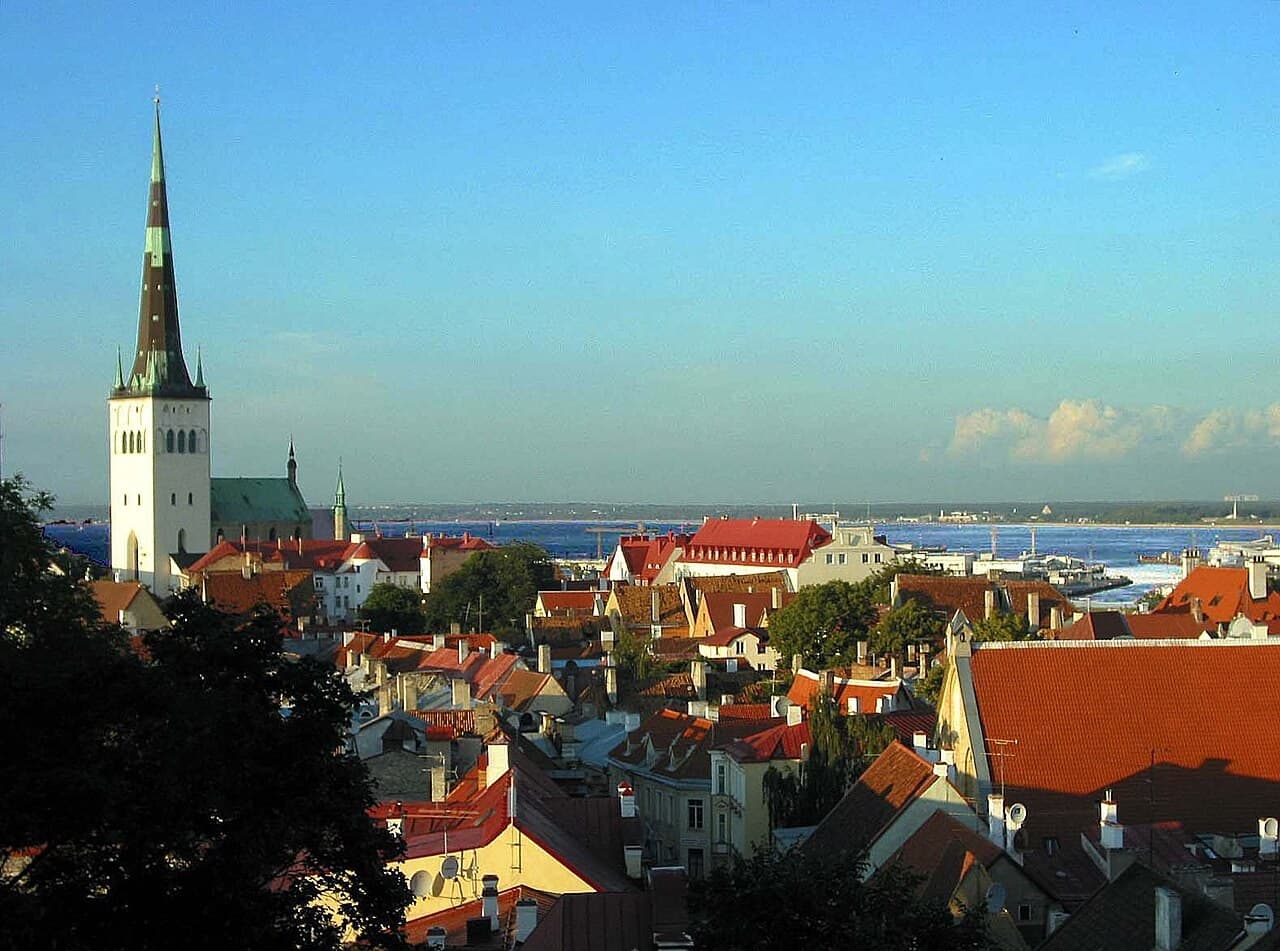
Tallinn’s Old Town and the Baltic horizon at sunset.
Castagna / Wikimedia Commons · CC BY-SA 4.0 · Image shown uncropped.
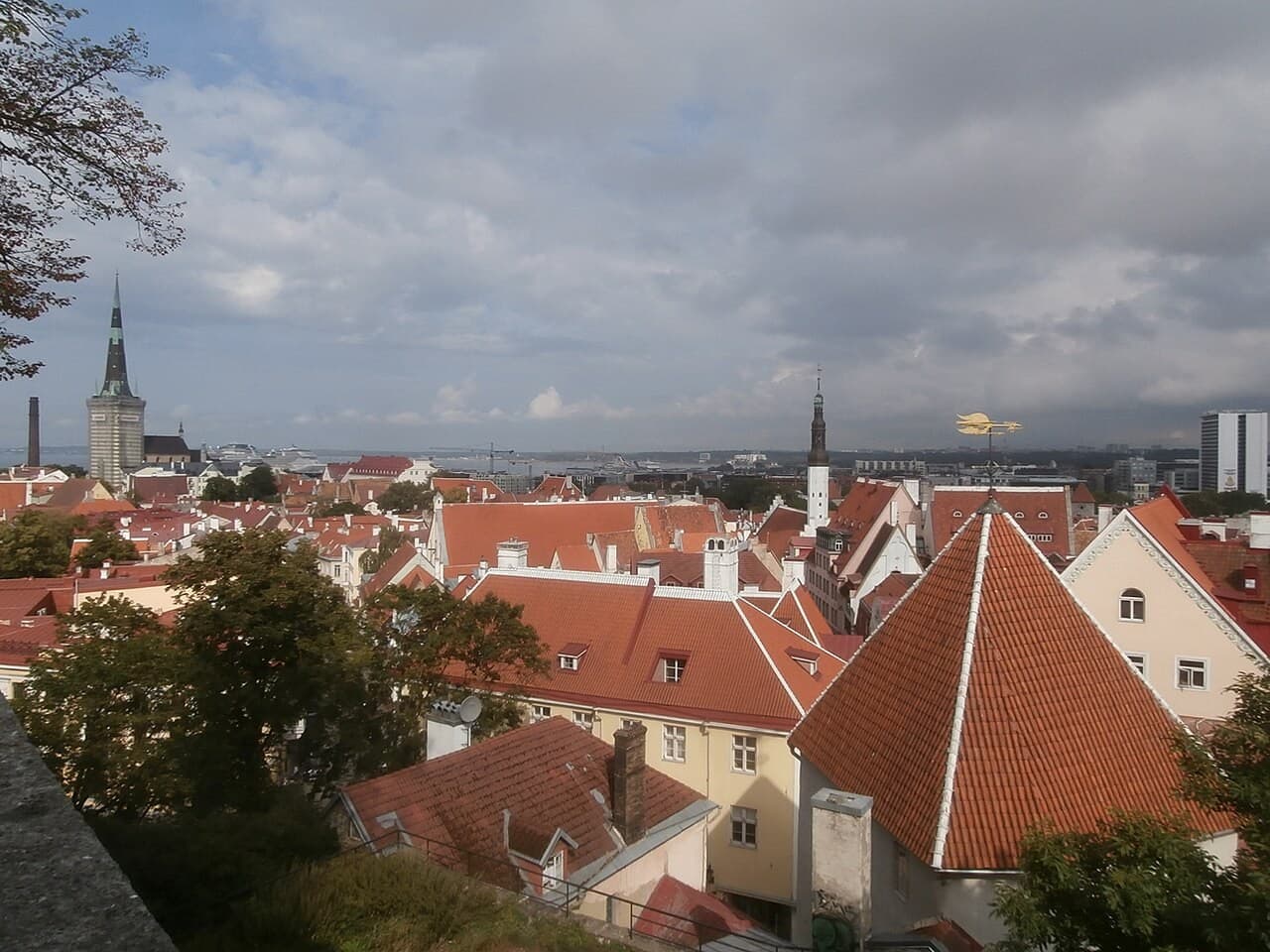
The Old Town and the maritime skyline: a view connecting the historic settlement with the coast.
Pjotr Mahhonin / Wikimedia Commons · CC BY-SA 4.0 · Image shown uncropped.
Gedocumenteerde plaats en geschiedenis
A town formed by exchange
UNESCO describes Tallinn as an exceptionally well-preserved medieval northern European trading city. Its Old Town combines the upper settlement on Toompea with the lower merchant town, retaining streets, buildings and defensive works that explain this organisation. The maritime story belongs to those relationships. The World Heritage inscription concerns the historic centre; it should not be casually extended to every modern harbour facility or waterfront development nearby.
Bronnen: [1]
From the shore to the town
The nomination documentation places an early harbour and trading settlement at the foot of the Toompea limestone plateau. Reading the landform and the town together restores a geographical dimension to the architecture. Warehouses and merchant houses were part of a network of exchange, not simply attractive survivals. Today's arrival areas are not an unchanged medieval quay, so the relationship is best understood through documented urban history rather than an assumption of continuity.
Bronnen: [2]
Onze lezing · Redactionele duiding
De kust en haar omgeving lezen
Approach the Old Town as a place connected to the Baltic, then move through its hierarchy of spaces. The climb towards Toompea offers a useful contrast with the lower streets: different forms of power occupied different ground. A maritime reading need not remain at the water's edge. It can follow goods, institutions and people into the town, allowing the harbour to explain why the built fabric developed as it did.
Bezoek en ontdek · Redactionele aanbeveling
Volg het verhaal
Combine a public waterfront orientation with the lower Old Town and a viewpoint on Toompea. Use official heritage information to distinguish the inscribed historic area from modern port land. Confirm museum access separately and leave operational ferry terminals to passengers; this dossier is a cultural route through the city, not a terminal-access guide.
UNESCO — Tallinn nomination documentation ↗