Regional ship type · Grand Harbour & Marsamxett
Dgħajsa tal-Pass
Passenger crossings and the everyday geography of Malta’s harbours
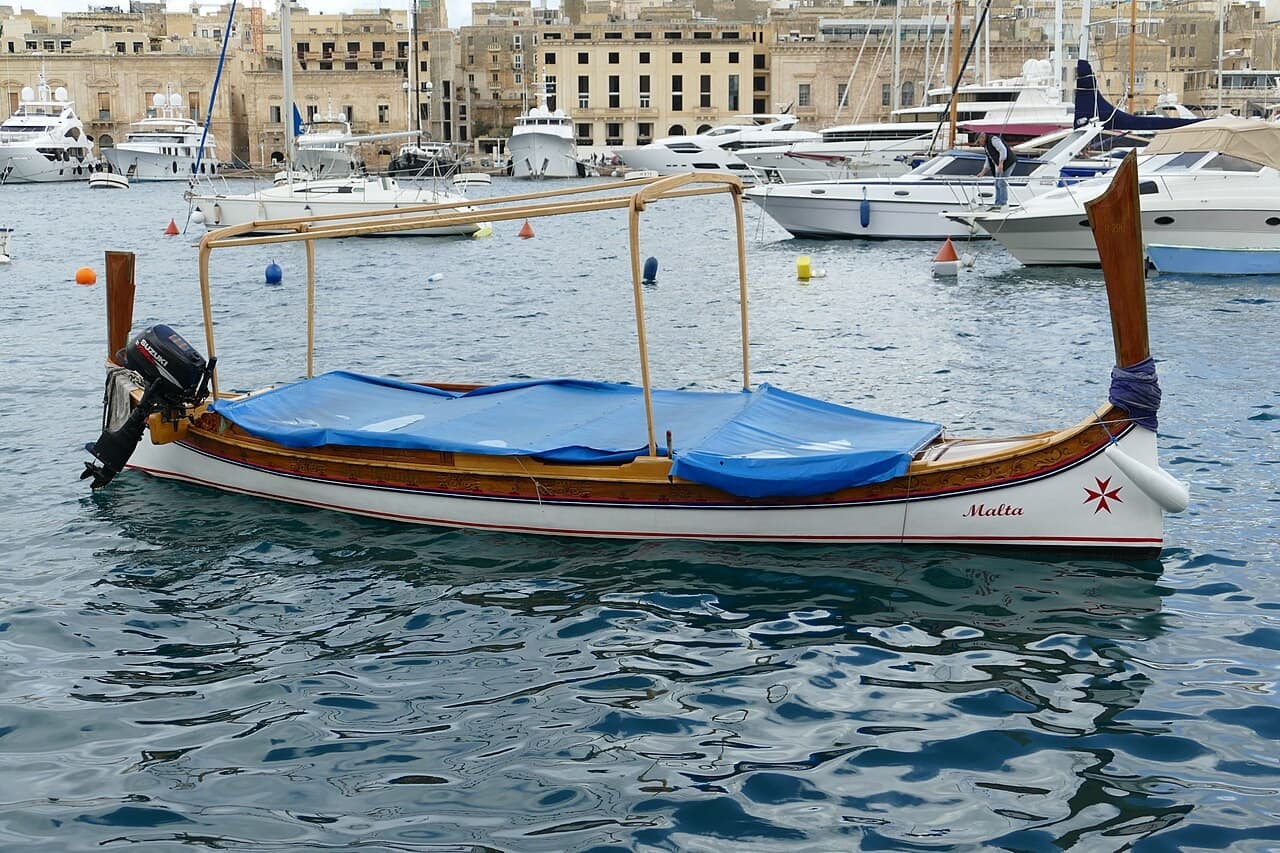
A dgħajsa in Dockyard Creek: the small harbour boat within Malta’s port landscape.
Kritzolina / Wikimedia Commons · CC BY-SA 4.0 · Image shown uncropped.
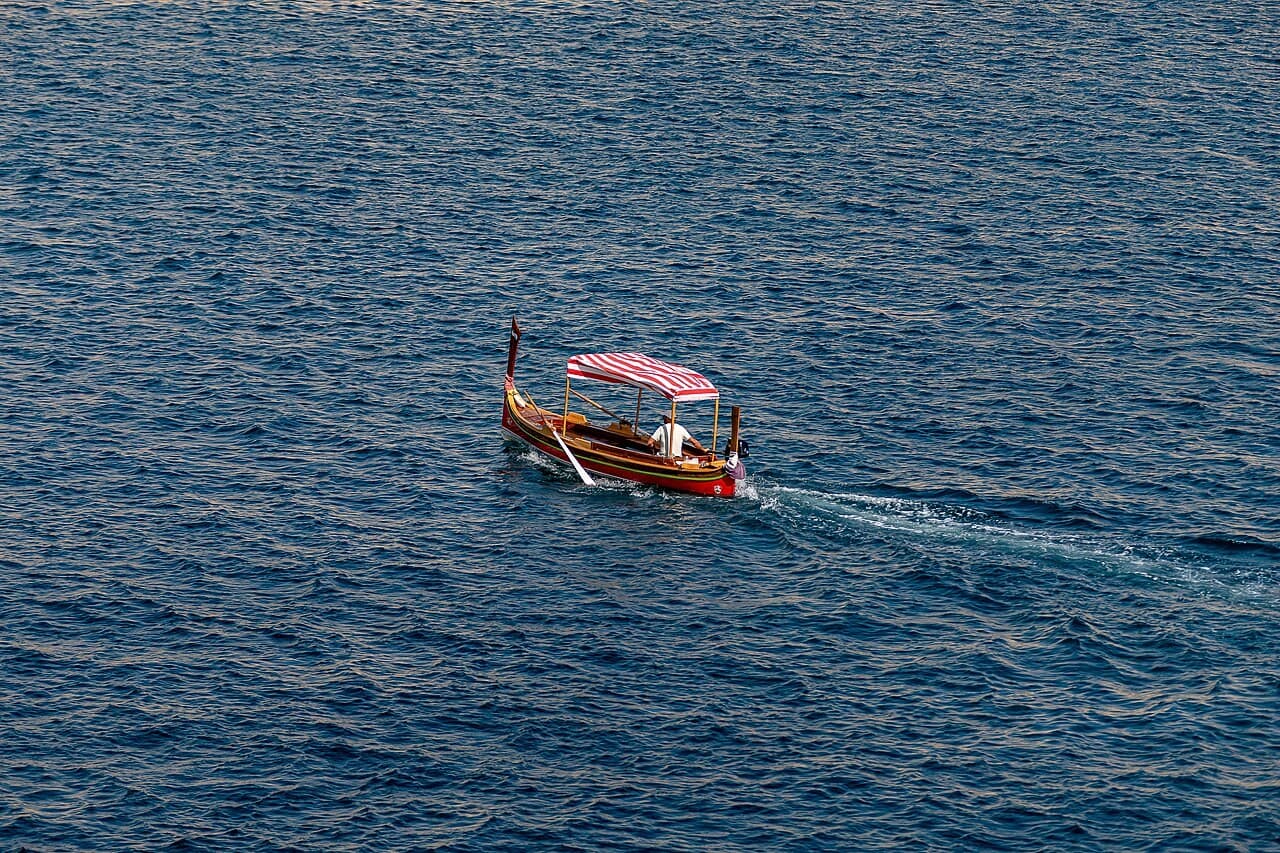
A dgħajsa afloat in Maltese harbour waters.
Foldiphoto / Wikimedia Commons · CC BY-SA 4.0 · Image shown uncropped.
Gedocumenteerde geschiedenis
A harbour connected by small boats
Joseph Muscat's study places the dgħajsa passenger boat at the centre of Grand Harbour's history. It relates growing demand for crossings to the development of Birgu, Valletta, Bormla and Senglea. The boat made a large harbour work at a human scale. Its significance therefore lies in everyday movement between shores, rather than in the idea of a miniature ceremonial or leisure vessel.
Bronnen: [1]
Keeping maritime knowledge in circulation
A separate Maltese conservation project offers useful context for interpreting harbour craft. In July 2026 the government described educational, research and public-workshop purposes around the restored firilla Lion. A firilla is not a dgħajsa. The relevance lies in the preservation approach: maintaining a vessel can also support the transmission of knowledge. This contemporary example should not be read as evidence for the construction or service history of a particular harbour ferry.
Bronnen: [3]
Reading the harbour with a collection
The Malta Maritime Museum's collection context offers a way to place small passenger craft alongside shipping, models and documents. Its official page currently describes a major redevelopment and closure, so it should not be treated as an automatically accessible indoor stop. The harbour itself and the documentary collection remain complementary sources: one shows the geography of a crossing, while the other can explain the craft and people involved.
Bronnen: [2]
Onze lezing · Redactionele duiding
Het schip en zijn omgeving lezen
Consider the crossing before the boat. From one waterfront, look towards the landing places on the other side and imagine the routine journeys that joined them. That changes the dgħajsa from a decorative object into part of the city's social infrastructure. A modern encounter is richer when the historical role is explained alongside present use. It also encourages careful language: the name of a tradition does not establish a contemporary boat's builder, date, licence or suitability for a particular passenger.
Bezoek en ontdek · Redactionele aanbeveling
Volg het verhaal
Use official local information to identify an operating passenger service and agree the actual arrangements with its operator. Check Heritage Malta before planning a museum visit during redevelopment. This dossier describes cultural history and does not recommend a particular boat or provide harbour-navigation advice.
Joseph Muscat — Traditional boats of Malta, 2005 ↗