Regional ship type · Scheldt delta
Hengst
A sturdy working tradition of the Scheldt estuary
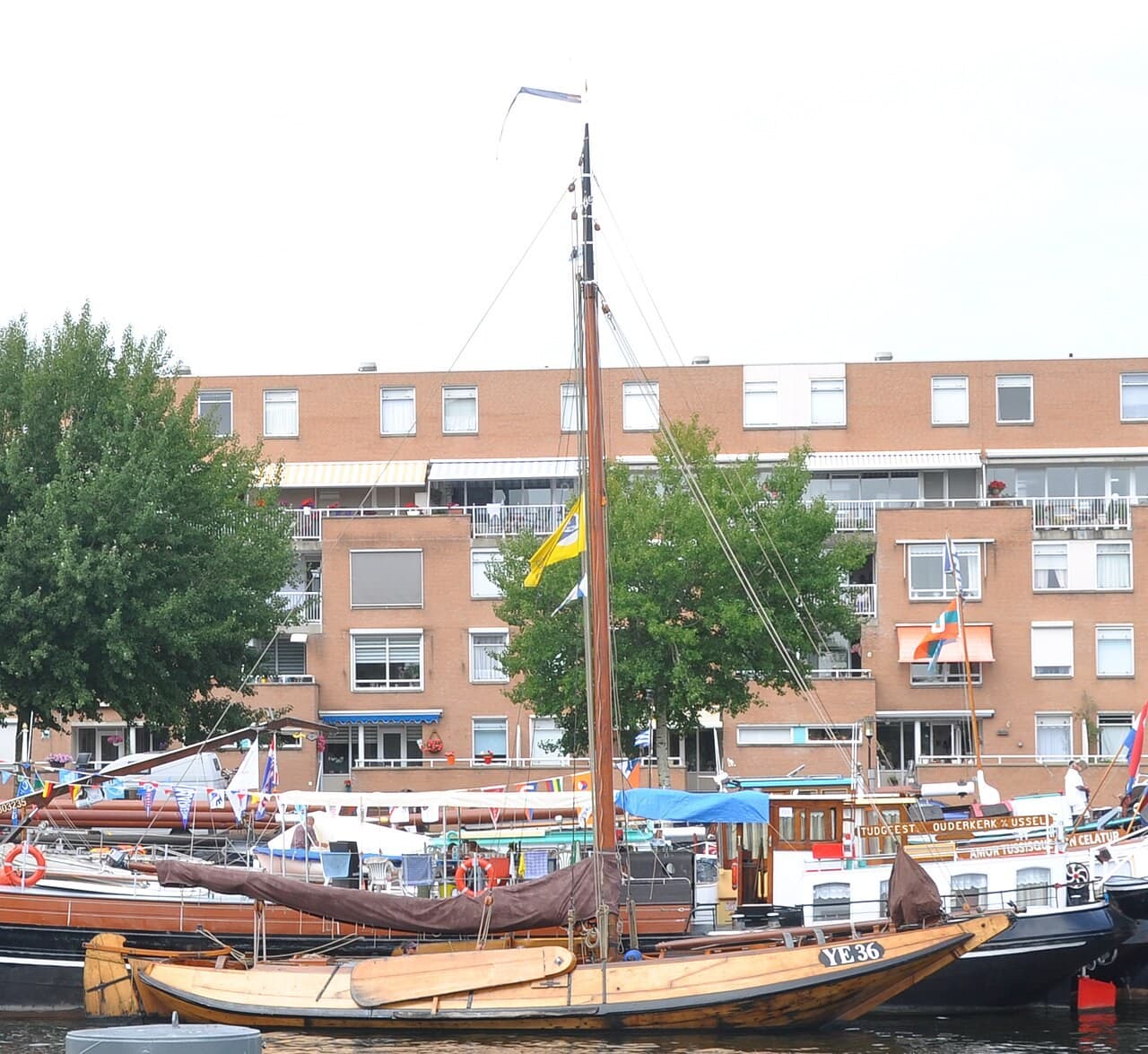
De Drie Gebroeders (TH49), photographed at the 2013 LVBHB reunion on the Kanaal door Walcheren. The source file is cropped.
S.J. de Waard / Wikimedia Commons · CC BY-SA 3.0 · Image shown uncropped.
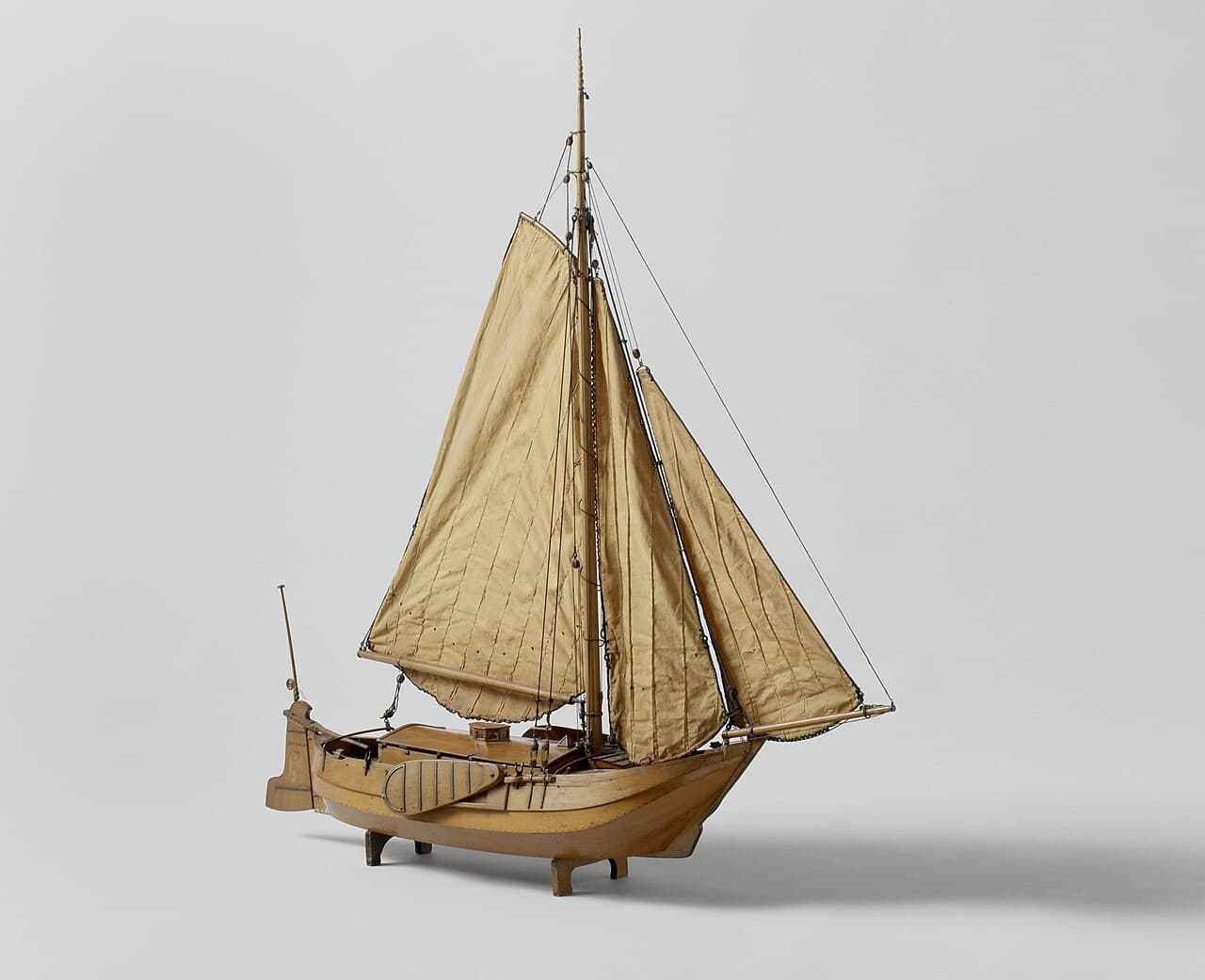
Photograph of a hengst model in the Rijksmuseum collection, object NG-MC-676; a model, not a surviving full-size hull.
Rijksmuseum / Wikimedia Commons · CC0 · Image shown uncropped.
Gedocumenteerde geschiedenis
Another way to work the delta
Stichting Behoud Hoogaars places hengsten alongside hoogaarzen in the fishing history of the Scheldt delta. Its account distinguishes the hengst through its robust appearance and steep bow. These boats share a regional setting without becoming interchangeable. The type provides a useful counterpoint to the hoogaars: the same estuary could sustain several building traditions, each shaped by particular habits, tasks and local knowledge.
Bronnen: [1]
Avoiding an invented beginning
The historical material assembled by the SSRP treats the hengst as strongly associated with the Westerschelde and recognises the difficulty of establishing its exact age. Older documentary references and later descriptions do not amount to a single launch date for the type. That uncertainty belongs in the account. It is more informative than supplying a confident origin story which the evidence cannot securely support.
Bronnen: [2]
The survival of individual boats
The preservation foundation identifies De Drie Gebroeders, TH49, among its restored vessels. Its wider programme combines maintenance, documentation and the transmission of shipwright skills. That named boat is one route into the tradition, with a history of its own. A type entry can explain why it matters, but should not transfer its year, ownership or repairs to other hengsten, or confuse a smaller related craft with an identical design.
Bronnen: [1]
Onze lezing · Redactionele duiding
Het schip en zijn omgeving lezen
Compare the hengst and hoogaars side by side where possible. Pay attention to the bow, the working area and how the boat sits in the water, then ask what an individual vessel actually did. The contrast can make a familiar delta appear less uniform. It also encourages a respectful view of maintenance: practical decisions made by today's shipwrights are part of the evidence available to tomorrow's readers. A clean appearance alone cannot explain the amount of work that keeps an old hull afloat.
Bezoek en ontdek · Redactionele aanbeveling
Volg het verhaal
Follow Stichting Behoud Hoogaars for its documented fleet and current activities. Check the named boat, boarding arrangements and departure place directly. The foundation's regional work is a starting point for discovery, not an assurance that every photographed example is in its care.
Stichting Behoud Hoogaars — About us ↗