Individual historic ship · Nantes & French waters
Belem
A Nantes-built barque with successive commercial and educational lives
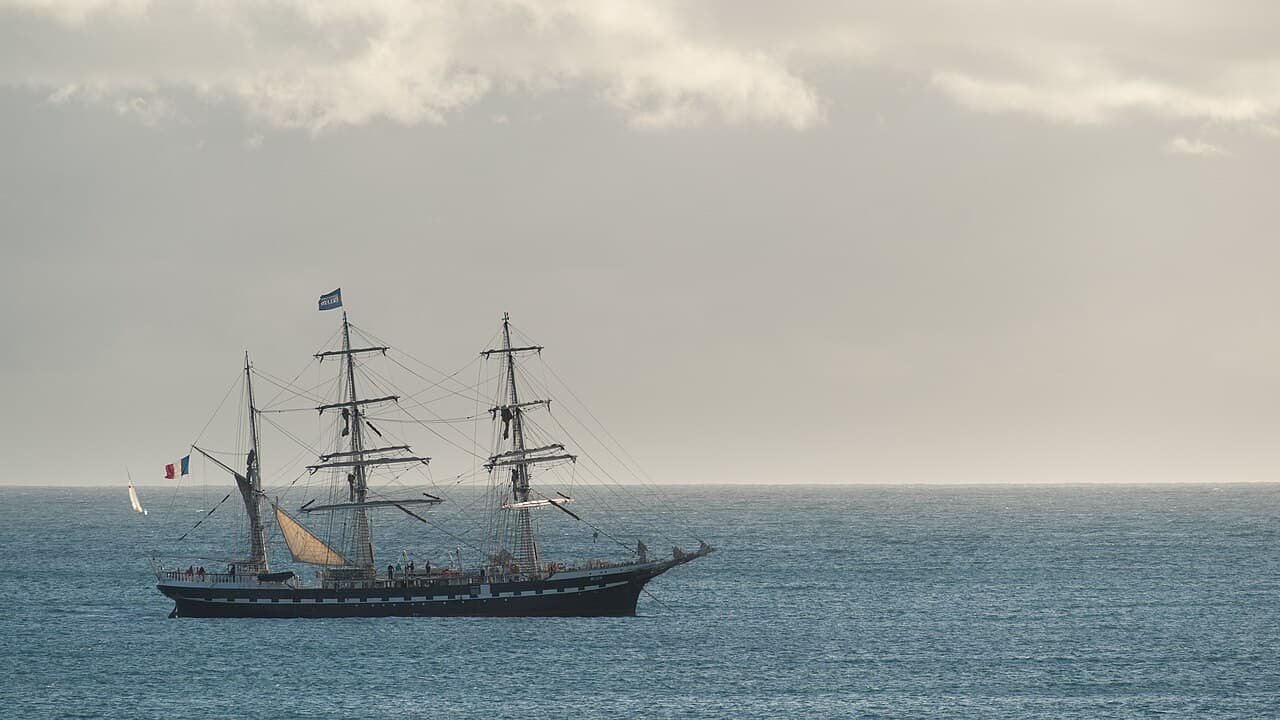
Belem photographed in 2015: the 1896 barque, distinct from the modern cargo vessel BBC Belem.
PtrQs / Wikimedia Commons · CC BY-SA 4.0 · Image shown uncropped.
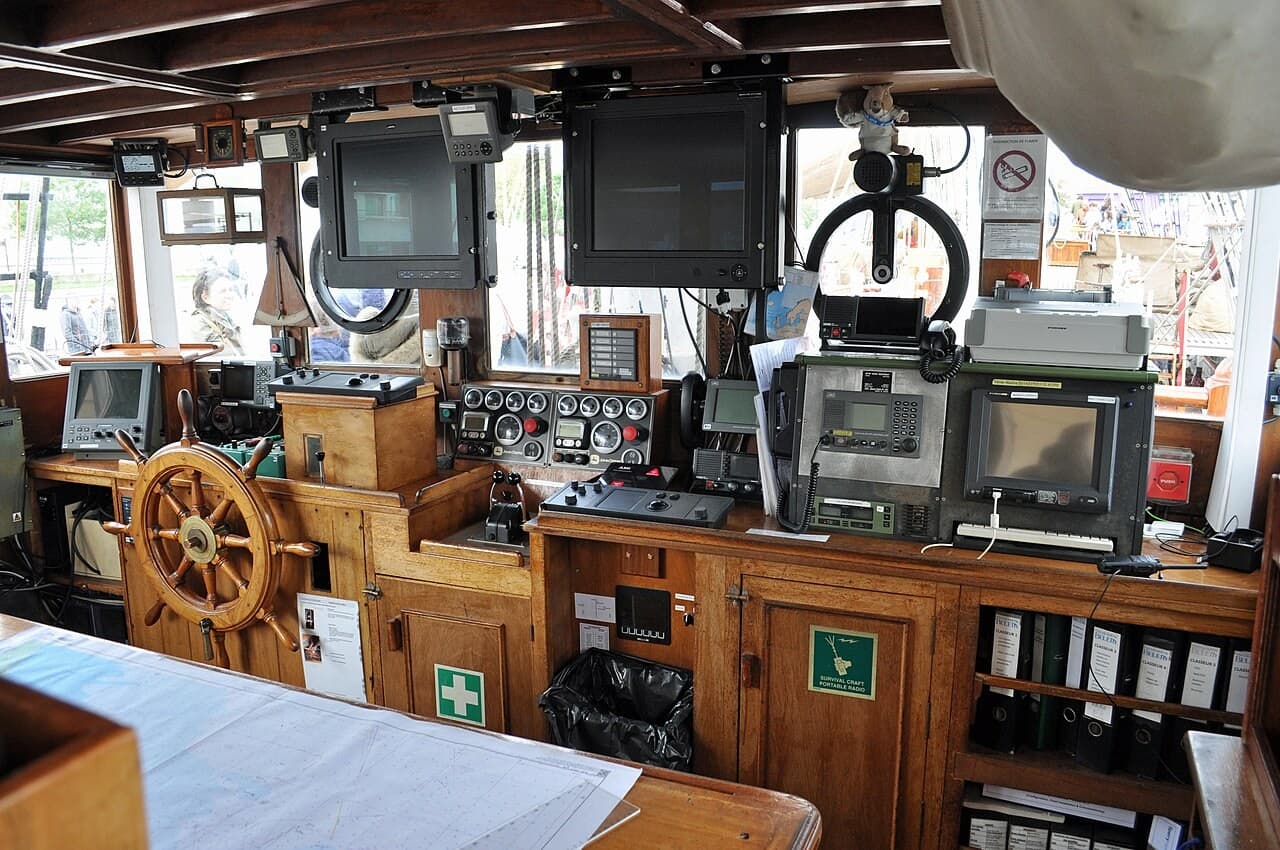
The bridge area of Belem: a closer view of the historic barque.
ERIC SALARD / Wikimedia Commons · CC BY-SA 2.0 · Image shown uncropped.
Gedocumenteerde geschiedenis
A ship built for trade
The Fondation Belem traces the vessel to the Dubigeon yard at Chantenay in 1896 and the Nantes shipowner Fernand Crouan. Her name relates to commercial connections with Brazil. The French Ministry of Culture identifies a steel three-masted barque. This establishes a specific merchant vessel rather than a representative of every French sailing ship. The commercial context also provides a wider geography than the present association with public events in European ports.
Several identities in one hull
The foundation follows Belem through trading service, private yacht ownership and training roles. These changes matter because accommodation, equipment and expectations altered with use. An individual ship's identity can persist through substantial adaptation, while the details of each period remain distinct. A photograph from a modern gathering cannot by itself explain a former working arrangement, and the appearance of a traditional rig should not erase the vessel's intervening biographies.
Bronnen: [1]
An institution for a surviving vessel
The Ministry of Culture's account records the foundation's establishment in 1980, while the foundation dates Belem's classification as a monument historique to 1984. Institutional care and legal protection belong to the ship's modern history. They help explain how a former commercial vessel became a widely interpreted heritage object. Protection is not a substitute for maintenance: the continued care of structure, rig and machinery remains a practical undertaking.
Onze lezing · Redactionele duiding
Het schip en zijn omgeving lezen
Look for the relationship between the hull's commercial origin and its later presentation. The barque's elegance is real, but it should lead into questions about cargo, ownership and conversion. Successive uses can make a ship culturally richer rather than less authentic, provided their dates and consequences remain clear. The Nantes connection is also a way of reading a port beyond its waterfront image: yards, merchants and overseas routes all form part of the history carried by the surviving vessel.
Bezoek en ontdek · Redactionele aanbeveling
Volg het verhaal
Use the Fondation Belem's current programme for public visits, events and any training opportunities. Confirm the vessel's location and the conditions of access for the relevant date. This entry does not imply a permanent berth, open boarding or a scheduled passage from the port shown in a photograph.
Fondation Belem — History of Belem ↗