Regional ship type · Brixham, Devon
Brixham Sailing Trawler
A fishing port’s design carried into a wider maritime world
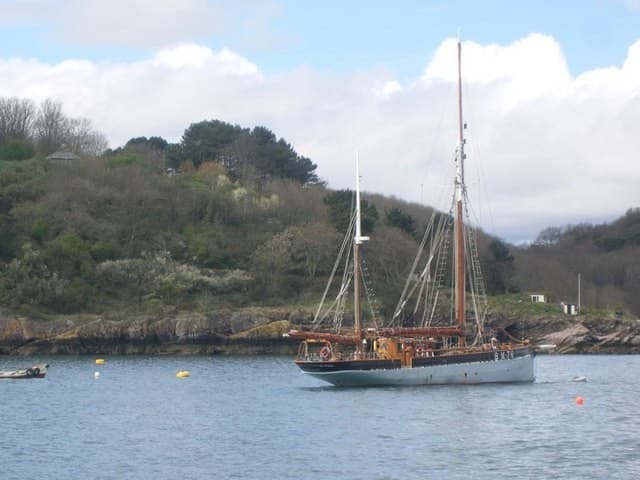
Vigilance (BM76) at Brixham: a named example of the sailing-trawler tradition.
Tony Lewis / Wikimedia Commons · CC BY-SA 2.0 · Image shown uncropped.
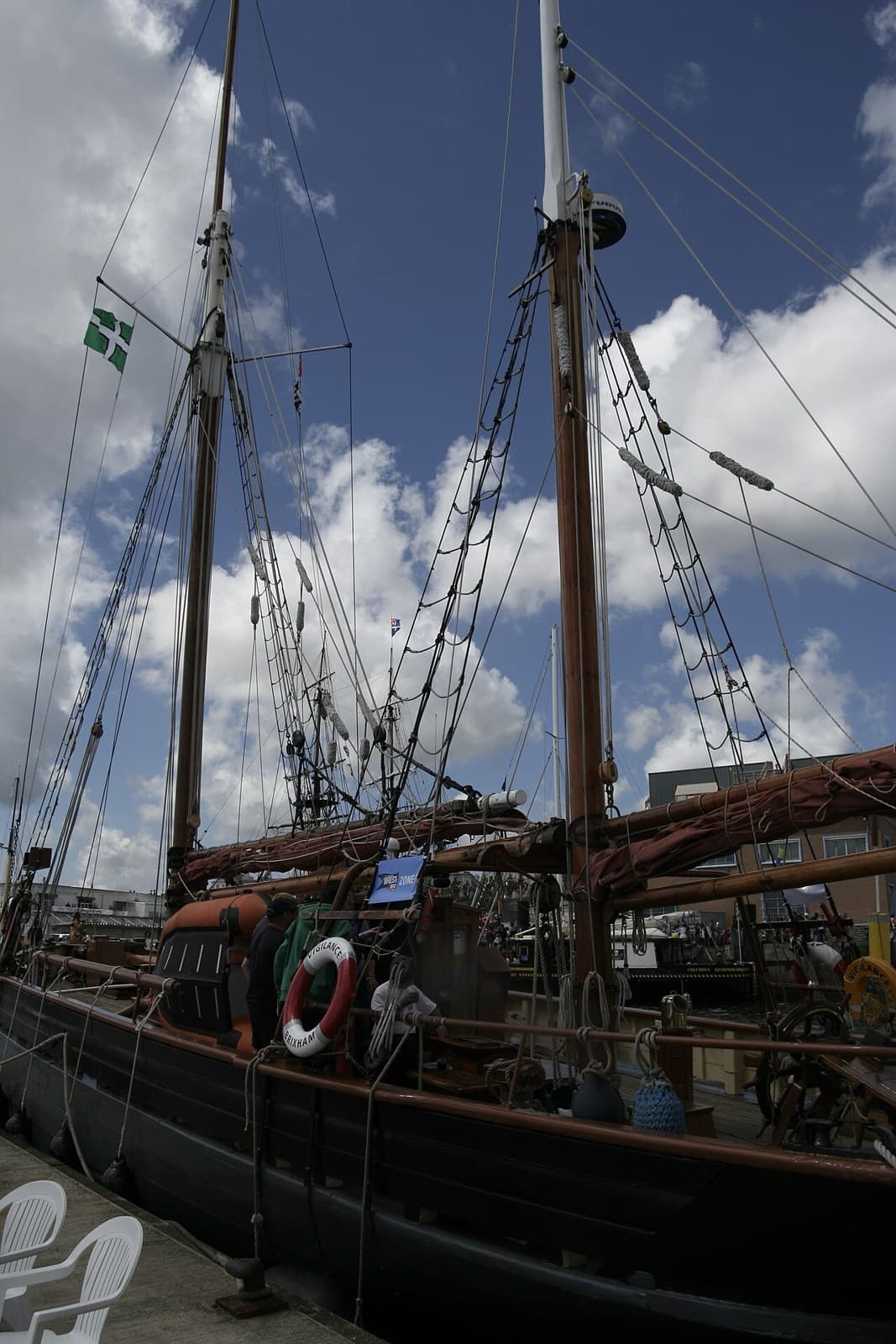
Vigilance of Brixham at the Tonnerres de Brest gathering in 2012.
Pymouss / Wikimedia Commons · CC BY-SA 3.0 · Image shown uncropped.
Documented history
The search for a working advantage
Torbay's heritage strategy describes how late eighteenth-century Brixham fishermen and builders responded to diminishing catches by developing faster boats capable of working in deeper water. The design became known as the Brixham trawler. This is a history of practical adaptation, not simply a style of yacht. The vessel connects construction choices with a fishery, a port and the need to bring a catch ashore.
Sources: [1]
A design beyond its first harbour
The same strategy records the wider spread of sailing trawlers around British ports during the nineteenth century, with Brixham retaining a large fleet of its own. The regional name consequently opens onto a national story. It does not identify one standardised boat or a common set of dimensions. Individual builders, working dates and later conversions need to be checked before attaching a technical description to a surviving vessel.
Sources: [1]
Vigilance and the continuity of skills
The preservation account of Vigilance describes her return to Brixham and her part in the port's heritage fleet. It also foregrounds volunteer maintenance, including major work on the rig. National Historic Ships identifies her as the last sailing trawler built at Upham's yard. These are particular facts about Vigilance. Her value as an example is strongest when that individual identity is kept clear.
Our reading · Editorial interpretation
Reading the ship and its setting
Approach the trawler through the connection between working gear and the boat that carried it. A handsome rig was part of a production system, and the port supplied the people and infrastructure that kept it moving. Compare the vessel with Brixham's harbour before considering the view from sea. The modern maintenance story adds another layer: shaping a replacement spar or organising a repair shows how a fishing town's maritime knowledge can remain active after the original fleet has disappeared.
Visit & explore · Editorial recommendation
Follow the story
Use Vigilance's own current information and local heritage resources to plan a visit. Confirm whether the boat is alongside, open or offering sailings. This type dossier neither guarantees the availability of a particular vessel nor treats a heritage passenger trip as a working fishing operation.
Torbay Council — Heritage strategy, part 2 ↗